
Home repossession is a challenging and often distressing process for homeowners facing financial difficulties. Understanding the stages of home repossession can help individuals navigate this complex situation with greater clarity and potentially take steps to mitigate the impact. In this comprehensive guide, we will break down the key phases of home repossession, offering insights into what happens at each stage, how to respond, and where to seek help. Whether you’re a homeowner at risk or simply seeking to educate yourself, understanding home repossession stages is crucial to managing or preventing foreclosure.
What Is Home Repossession?
Home repossession, often referred to as foreclosure in some regions, is the legal process by which a lender takes possession of a property due to the homeowner’s failure to meet mortgage payment obligations. This process typically occurs when a borrower defaults on their loan, and the lender seeks to recover the outstanding debt by selling the property. Understanding home repossession stages begins with recognizing that this is not an overnight event but a structured process governed by laws that vary by country and state.
The repossession process is designed to protect both the lender and the borrower, offering opportunities for resolution before the final loss of property. However, without proper knowledge or action, homeowners may miss critical chances to save their homes. Let’s dive into the specific stages of this process to shed light on what to expect.
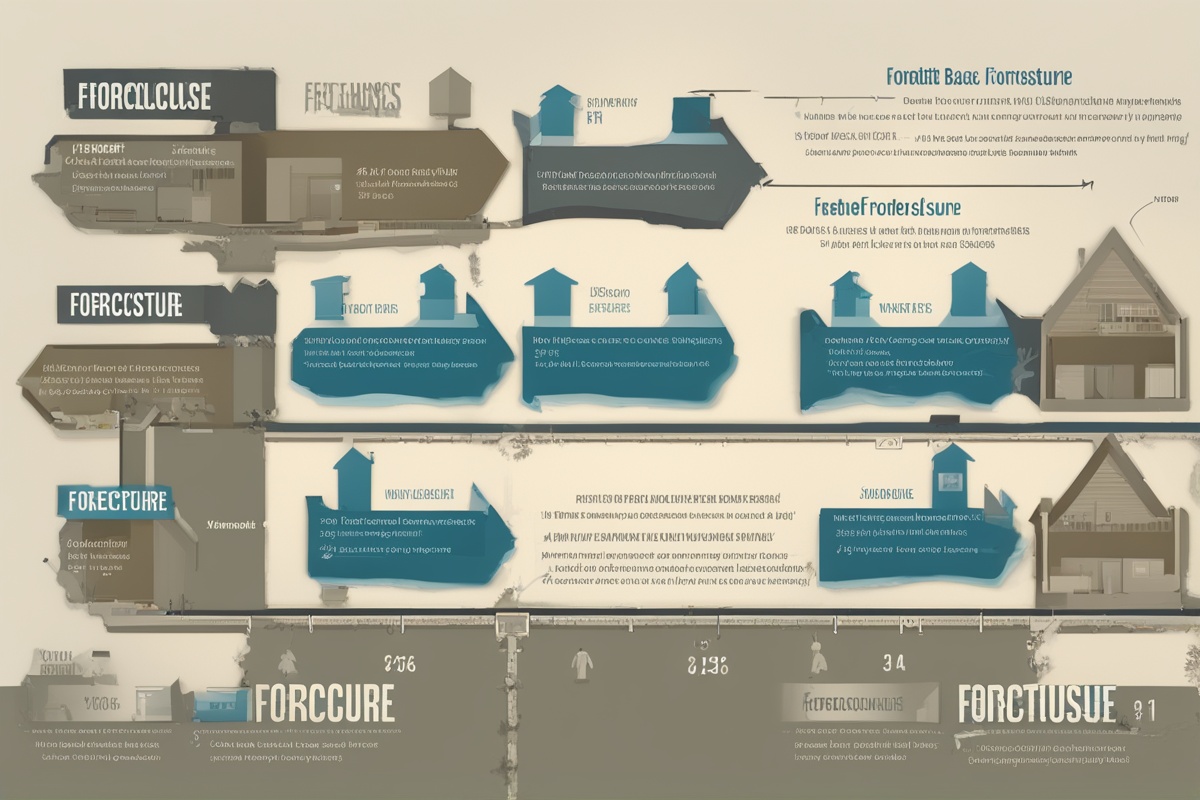
Stage 1: Missed Payments and Initial Notices
The first stage in understanding home repossession stages begins when a homeowner misses one or more mortgage payments. Lenders typically allow a short grace period—often 15 to 30 days—before considering the payment delinquent. After this period, the lender will send a notice of default or a late payment reminder, urging the homeowner to bring the account current.
At this point, communication with the lender is vital. Many lenders are willing to discuss temporary solutions, such as payment plans, to help borrowers catch up. Ignoring these notices can escalate the situation, so it’s essential to act promptly. For more information on managing missed payments, check out our detailed guide on Managing Mortgage Delays.
Stage 2: Formal Notice of Default
If the missed payments remain unresolved, the lender will issue a formal Notice of Default (NOD). This document officially marks the beginning of the legal repossession process and is often filed with the local court or recorded publicly, depending on the jurisdiction. The NOD typically gives the homeowner a specific timeframe—usually 30 to 90 days—to cure the default by paying the overdue amount plus any fees or penalties.
During this stage, homeowners may still have options to avoid repossession, such as loan modification or forbearance agreements. Understanding home repossession stages at this point means recognizing that proactive steps can still prevent further escalation. Explore more about loan modification in our post on Loan Modification Basics.
Stage 3: Pre-Foreclosure or Redemption Period
Following the Notice of Default, many jurisdictions enter a pre-foreclosure or redemption period. This stage allows the homeowner additional time to resolve the debt before the property is scheduled for auction or sale. The length of this period varies widely—ranging from a few weeks to several months—depending on local laws and whether the process is judicial (court-supervised) or non-judicial.
During pre-foreclosure, homeowners can attempt to sell the property themselves to pay off the debt or negotiate a short sale with the lender’s approval. Alternatively, they may redeem the property by paying the full outstanding balance, including fees. This stage is a critical window for action, and understanding home repossession stages here can make the difference between losing a home and finding a resolution. Learn more about short sales in our article on Short Sale Explained.
Stage 4: Auction or Public Sale
If the homeowner is unable to resolve the default during the pre-foreclosure period, the property moves to auction or public sale. In a judicial foreclosure, the court orders the sale, while in non-judicial foreclosures, the lender or a trustee handles the process. The property is sold to the highest bidder, often at a price significantly below market value, as the goal is to recover the lender’s losses quickly.
At this stage, the homeowner typically loses the right to reclaim the property, though some regions offer a brief post-sale redemption period. Understanding home repossession stages during the auction phase highlights the importance of acting in earlier stages to avoid reaching this point. Homeowners facing auction may still seek legal advice to explore last-minute options.
Stage 5: Eviction and Post-Repossession
Once the property is sold at auction, the new owner—whether the lender or a third party—gains legal possession. If the original homeowner has not yet vacated the property, an eviction process begins. This may involve a formal notice to vacate, followed by legal action if the occupant refuses to leave. In some cases, lenders offer “cash for keys” programs, providing a small financial incentive for the homeowner to move out voluntarily.
Post-repossession, the former homeowner may face additional challenges, such as a damaged credit score and potential deficiency judgments if the sale price did not cover the full debt. Understanding home repossession stages at this final point underscores the long-term consequences of foreclosure and the importance of seeking help early. For tips on rebuilding credit after foreclosure, refer to our guide on Credit Repair After Foreclosure.
Seeking Help and Preventing Repossession
Throughout the stages of home repossession, there are opportunities to seek assistance and potentially halt the process. Government programs, housing counselors, and legal aid organizations can provide guidance on options like loan modifications, refinancing, or mediation. Additionally, reaching out to the lender directly to negotiate a forbearance or repayment plan can be effective in the early stages.
Preventing repossession requires proactive financial planning and communication. Homeowners should prioritize budgeting, building an emergency fund, and staying informed about their rights. For a deeper dive into prevention strategies, see our resource on Preventing Foreclosure Tips. Understanding home repossession stages equips individuals with the knowledge to act decisively and seek support when needed.
Disclaimer: The information provided in this article is for general informational purposes only and should not be considered legal or financial advice. Home repossession laws and processes vary by jurisdiction, and individual circumstances may differ. We strongly recommend consulting with a qualified attorney, financial advisor, or housing counselor to address your specific situation before making any decisions related to foreclosure or home repossession.
References
- U.S. Department of Housing and Urban Development – Avoiding Foreclosure
- Consumer Financial Protection Bureau – What is Foreclosure?
- Federal Reserve – Foreclosure Resources
- Nolo – Understanding the Foreclosure Process
- Fannie Mae – Homeowner Assistance
This content is for informational purposes only and not a substitute for professional advice.