Foreclosures have long been a challenge for communities across the United States, leaving behind vacant properties, declining property values, and fractured neighborhoods. However, the journey of neighborhood recovery after foreclosures showcases the resilience of communities and the power of collective action. This post explores how neighborhoods can rebound from the devastating effects of foreclosures through strategic planning, community involvement, and innovative solutions. Whether you’re a homeowner, local leader, or concerned citizen, understanding the path to recovery can inspire hope and action in your own area.
The Impact of Foreclosures on Neighborhoods
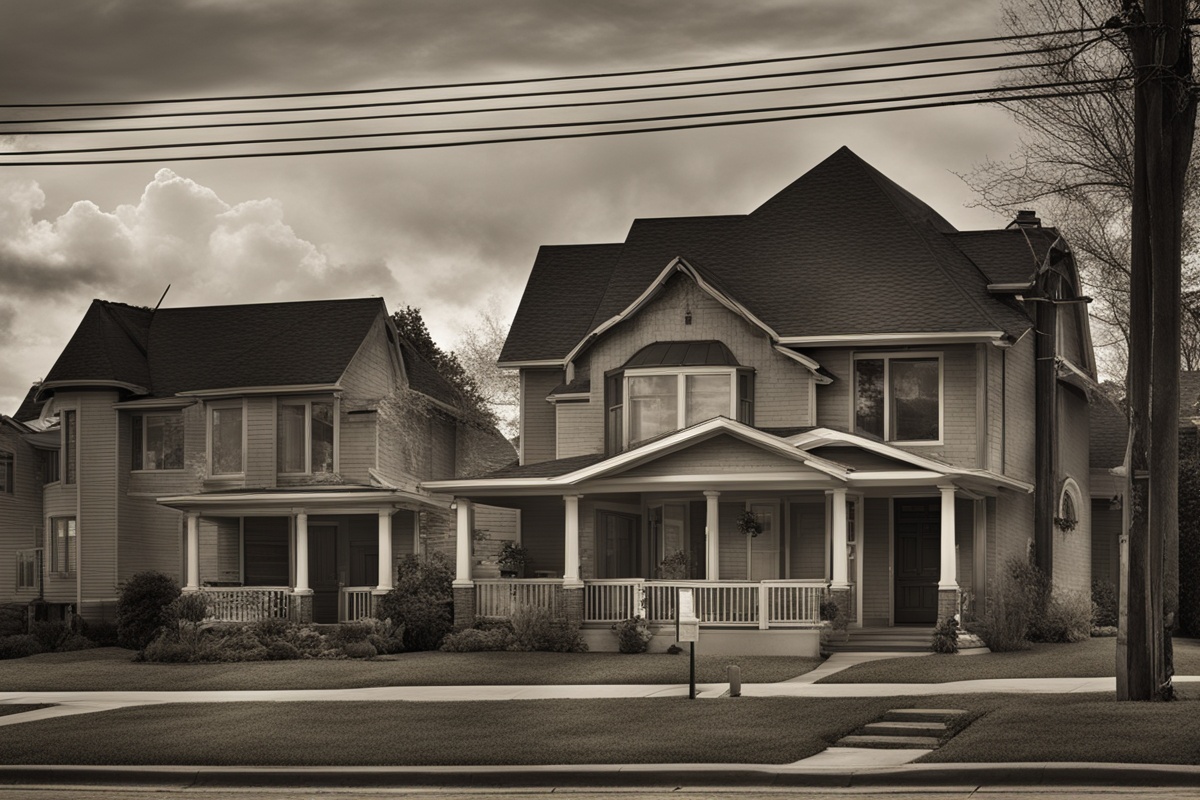
Foreclosures don’t just affect individual homeowners; they ripple through entire communities. When properties are foreclosed, they often sit vacant, becoming magnets for vandalism, crime, and neglect. This can lead to a decline in property values for surrounding homes, making it harder for neighbors to sell or refinance. Additionally, the loss of tax revenue from these properties strains local budgets, reducing funds for schools, infrastructure, and public services. The emotional toll is equally significant, as residents may feel a loss of community pride and stability. Understanding these challenges is the first step in addressing neighborhood recovery after foreclosures.
Community-Led Initiatives for Recovery
One of the most effective ways to rebuild after foreclosures is through grassroots efforts. Community-led initiatives, such as neighborhood watch programs and clean-up campaigns, can restore a sense of ownership and pride. Residents can organize to maintain vacant lots, turning them into community gardens or temporary green spaces. Local organizations often play a key role by partnering with residents to secure funding for revitalization projects. For instance, programs that focus on affordable housing can help new families move into previously foreclosed homes, breathing life back into the area. By fostering collaboration, communities can drive meaningful progress in neighborhood recovery after foreclosures.
Government and Nonprofit Support in Rebuilding Efforts
Government agencies and nonprofits are critical allies in the fight for neighborhood recovery. Programs like the U.S. Department of Housing and Urban Development’s (HUD) Neighborhood Stabilization Program have provided grants to local governments to purchase and rehabilitate foreclosed properties. Nonprofits, such as Habitat for Humanity, often step in to renovate homes and offer them to low-income families. These partnerships can stabilize housing markets and prevent further decline. If you’re looking to get involved, consider exploring resources on our site about community support programs to see how you can contribute to similar efforts in your area.
Innovative Solutions for Vacant Properties
Transforming vacant properties into assets is a cornerstone of neighborhood recovery after foreclosures. Some cities have adopted land banking strategies, where local governments acquire foreclosed properties and hold them until they can be redeveloped or sold to responsible owners. Others have incentivized developers to convert these homes into affordable rental units. Creative approaches, like turning empty lots into urban farms or community centers, can also make a big impact. For more ideas on revitalizing spaces, check out our post on urban redevelopment strategies that have worked in other communities.
Financial Tools and Incentives for Homebuyers
Encouraging new residents to invest in recovering neighborhoods often requires financial incentives. Programs offering down payment assistance or low-interest loans can make purchasing foreclosed homes more accessible. Some local governments also provide tax abatements to buyers who commit to renovating properties. These tools not only help individuals achieve homeownership but also contribute to stabilizing property values in the area. To learn more about financial assistance options, visit our guide on homebuyer assistance programs and see what might be available near you.
Building Long-Term Resilience in Neighborhoods
While immediate recovery efforts are crucial, long-term resilience is the ultimate goal. This means creating policies and systems that prevent future waves of foreclosures. Community education on financial literacy can empower residents to manage mortgages effectively. Zoning laws that promote mixed-use development can diversify local economies, making neighborhoods less vulnerable to economic downturns. Additionally, fostering strong social networks ensures that residents support each other during tough times. By focusing on sustainability, communities can ensure that neighborhood recovery after foreclosures leads to lasting change. For insights on building stronger communities, explore our article on community resilience tips.
Disclaimer: The information provided in this post is for general informational purposes only and should not be construed as legal, financial, or professional advice. While we strive to present accurate and up-to-date content, the strategies and programs mentioned may not apply to every situation or location. We encourage readers to consult with qualified professionals or local authorities before making decisions related to neighborhood recovery or property investments. The authors and publishers are not responsible for any actions taken based on the content of this article.
References
- U.S. Department of Housing and Urban Development – Neighborhood Stabilization Program
- Habitat for Humanity – Neighborhood Revitalization
- Urban Institute – The Impact of Foreclosures on Neighborhoods
- Federal Reserve – Effects of Foreclosures on Communities
- National League of Cities – Addressing Vacant and Abandoned Properties
This content is for informational purposes only and not a substitute for professional advice.