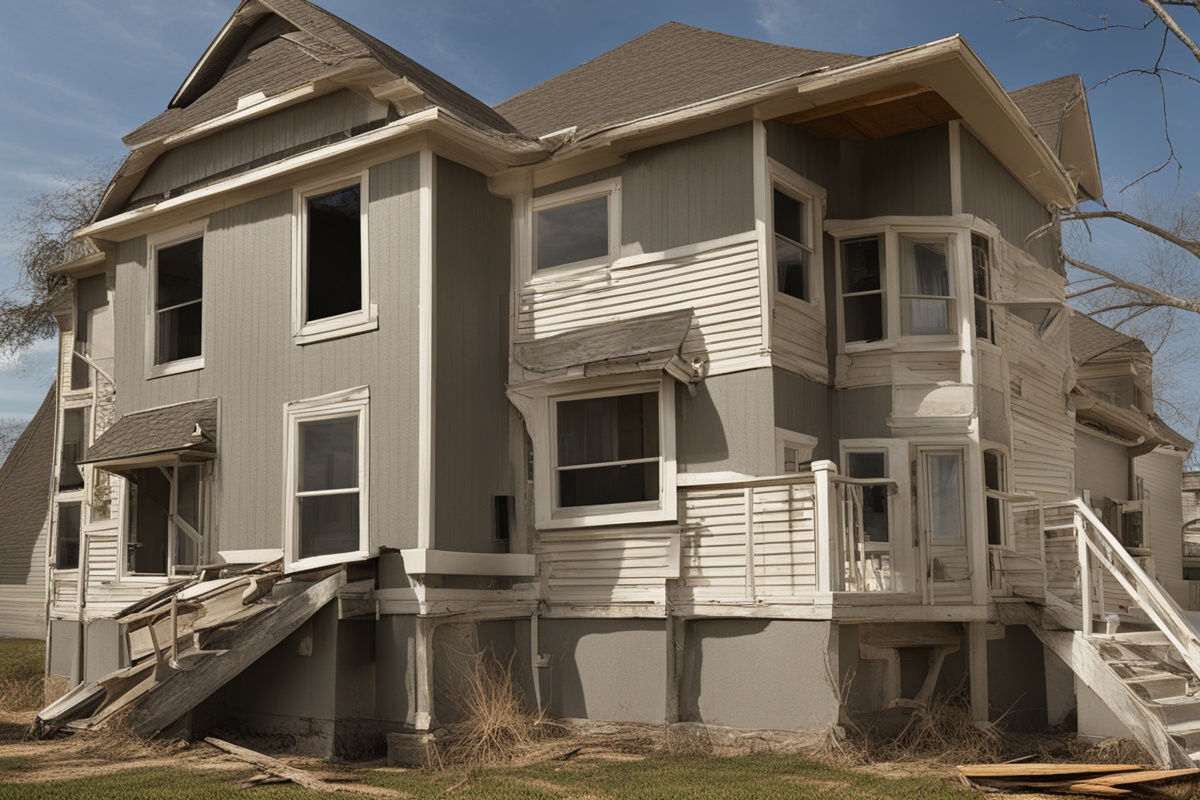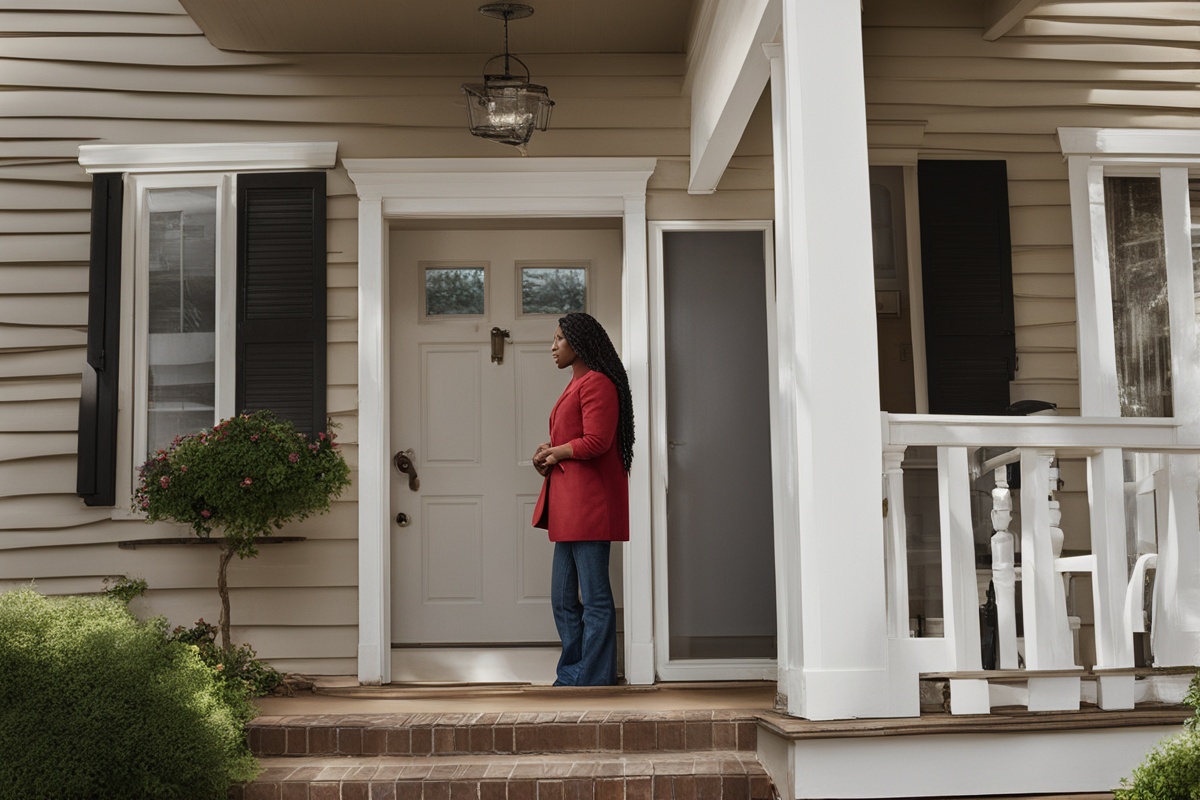

Losing a loved one is one of the most profound experiences a homeowner can face, especially when the loss is tied to the very space you call home. Whether it’s the passing of a spouse, parent, or child who shared your living space, the emotional weight can transform your home from a sanctuary into a constant reminder of grief. Navigating emotional challenges after loss is a deeply personal journey, but it’s one that many homeowners must undertake as they reconcile their memories with the need to move forward. This post explores strategies, insights, and personal reflections to help you cope with grief while maintaining a sense of home.
Understanding the Emotional Impact of Loss in Your Home
The home is often a repository of memories, and after a loss, every corner can evoke powerful emotions. The chair where your loved one sat, the garden they tended, or even the smell of their favorite meal can trigger waves of sadness. For homeowners, navigating emotional challenges after loss means confronting these reminders daily. It’s not just about mourning the person but also the shared life you built within those walls. Acknowledging this impact is the first step toward healing, as it allows you to validate your feelings rather than suppress them.
Grief can also manifest as a sense of disconnection from your home. You might feel like the space no longer belongs to you or that it’s incomplete without the person who once filled it. This is a normal reaction, and understanding that your emotional response is tied to both the loss and the environment can help you begin to process your feelings.
Creating Space for Grief While Reclaiming Your Home
One of the most important steps in navigating emotional challenges after loss is finding a balance between honoring your grief and reclaiming your space. This might mean setting aside a specific area in your home as a tribute to your loved one—a shelf with their photo, a memory box, or a small garden plot. Such spaces allow you to grieve intentionally without feeling overwhelmed by constant reminders throughout the house.
At the same time, consider small changes to refresh your environment. Rearranging furniture, repainting a room, or decluttering can help you feel a sense of control and renewal. These actions don’t erase memories but can help you redefine your relationship with your home. For more ideas on transforming your space, check out our post on Redecorating After Major Life Changes.
Coping with Loneliness in a Once-Shared Space
For many homeowners, the silence of a home after a loss can be deafening. If you once shared your home with the person you’ve lost, their absence might amplify feelings of loneliness. Navigating emotional challenges after loss in this context often involves finding ways to fill the void without feeling like you’re replacing the person. Start by inviting friends or family over for small gatherings. Their presence can bring warmth back into your home and remind you that you’re not alone.
Additionally, consider adopting new routines that bring comfort. Whether it’s starting a morning meditation practice in a quiet corner of your home or taking up a hobby like gardening, these activities can help you reconnect with your space on your terms. If loneliness becomes overwhelming, don’t hesitate to seek support. Our article on Building Community After Loss offers tips on finding connection during difficult times.
Addressing Practical Challenges Tied to Emotional Grief
Beyond the emotional toll, loss often brings practical challenges that can compound grief for homeowners. If the person you lost handled certain household responsibilities—like finances, maintenance, or caregiving—you might feel overwhelmed taking on these tasks alone. Navigating emotional challenges after loss also means addressing these practical gaps. Start by making a list of responsibilities and seeking help where needed, whether from family, friends, or professionals.
For example, if home repairs were once managed by your loved one, you might feel their absence keenly when something breaks. Rather than letting this trigger despair, view it as an opportunity to learn or delegate. Resources like our guide on DIY Home Repairs for Beginners can empower you to tackle small projects while easing emotional stress.
Seeking Professional Support and Community Connection
Grief can be isolating, especially when it feels like no one understands the unique intersection of loss and homeownership. Navigating emotional challenges after loss often requires external support. Therapists or grief counselors can provide tools to process your emotions, while support groups offer a sense of camaraderie with others who’ve experienced similar losses. Many communities also have resources specifically for homeowners dealing with life transitions, such as local workshops or online forums.
Don’t underestimate the power of shared stories. Reading about others’ experiences or sharing your own can be incredibly validating. Explore our collection of Personal Stories of Grief and Healing for inspiration and solidarity.
Moving Forward Without Letting Go
One of the hardest aspects of navigating emotional challenges after loss is finding a way to move forward without feeling like you’re betraying your loved one’s memory. As a homeowner, this might mean deciding whether to stay in the home you shared or to move to a new space. There’s no right or wrong answer—only what feels right for you. If you choose to stay, focus on creating new memories in the space while honoring the old ones. If you decide to move, allow yourself to grieve the home as well as the person, and seek support during the transition with resources like Moving After Loss: Tips for a Fresh Start.
Ultimately, healing is not about forgetting but about integrating the loss into your life in a way that allows joy to return. Your home can once again become a place of comfort, even if it looks and feels different now.
Disclaimer: The information provided in this post is for general informational purposes only and is not intended as professional psychological or medical advice. Grief and emotional challenges are deeply personal, and what works for one person may not work for another. If you are struggling with severe emotional distress or mental health issues following a loss, please consult a licensed therapist, counselor, or healthcare provider for personalized support.
References
- Mayo Clinic – Grief: Coping with the Loss of a Loved One
- Psychology Today – Understanding Grief and Loss
- HelpGuide – Coping with Grief and Loss
- American Psychological Association – Grief Resources
- National Institute of Mental Health – Coping with Traumatic Events and Loss
This content is for informational purposes only and not a substitute for professional advice.