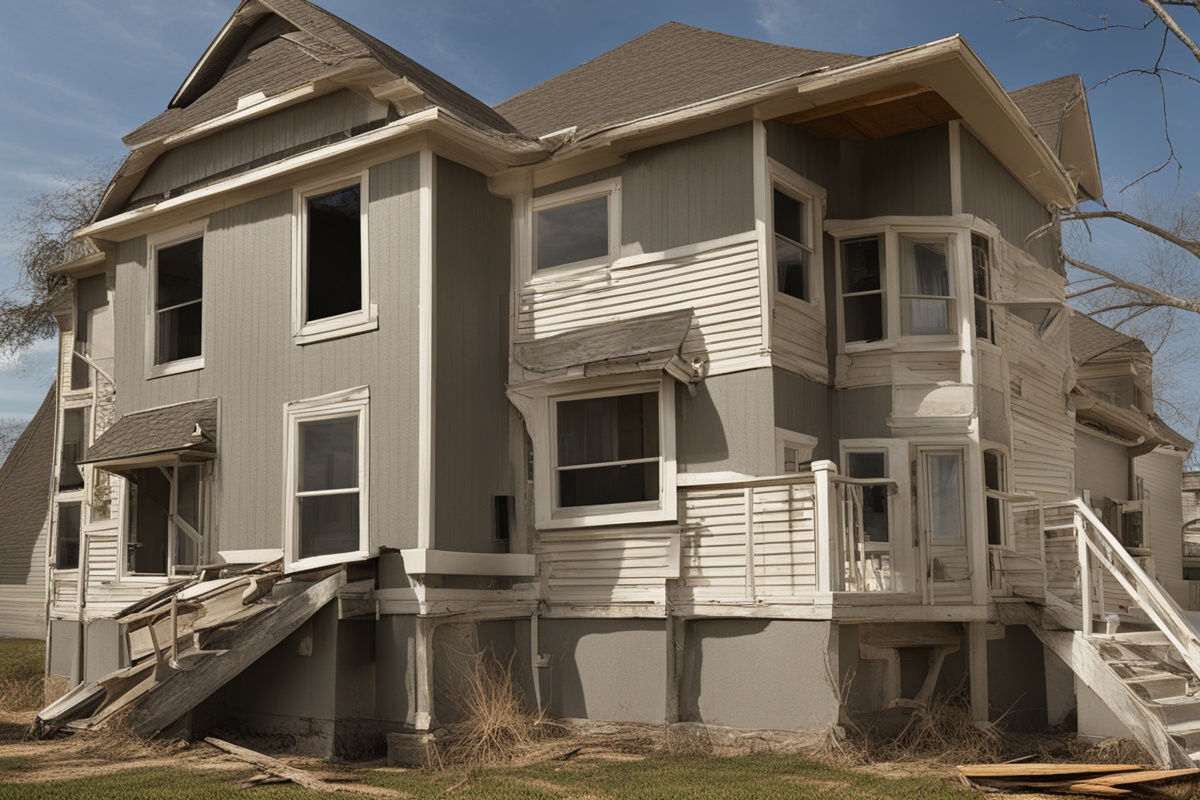
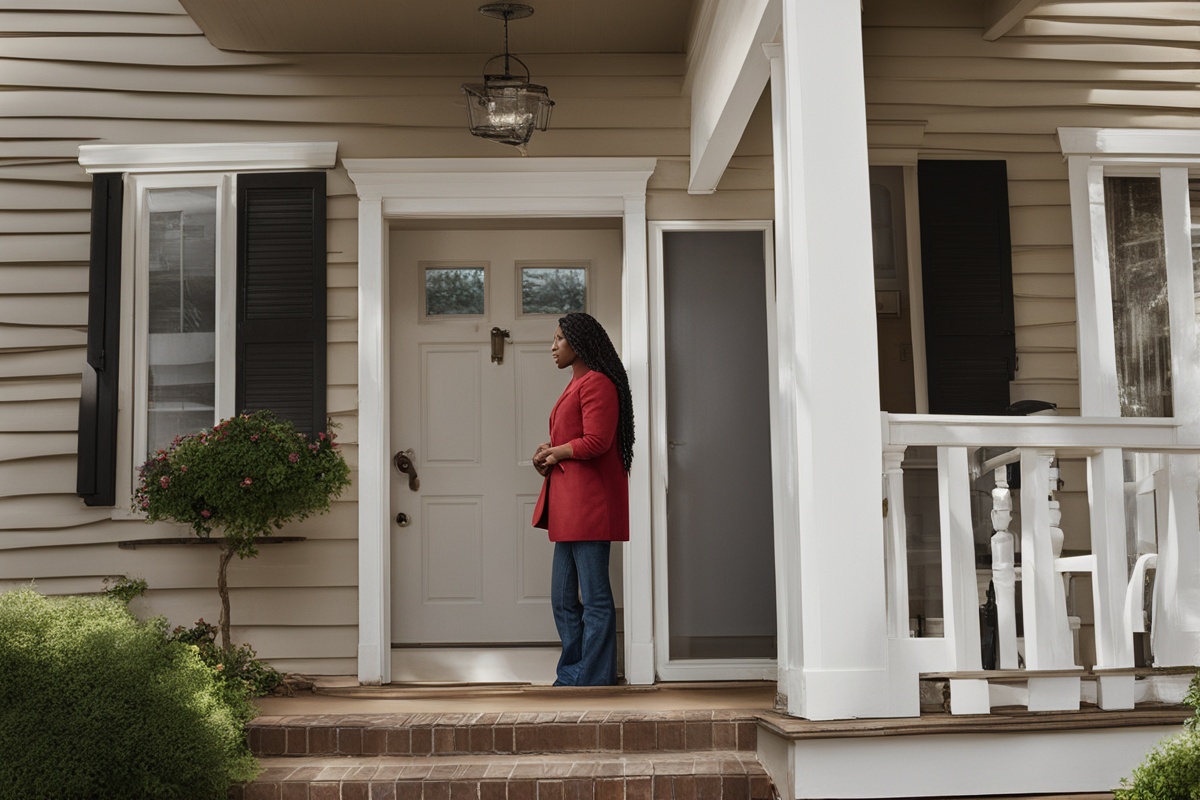
Losing a loved one is one of the most profound experiences a homeowner can face, especially when the loss is tied to the home itself—whether it’s the passing of a family member who lived there or the emotional weight of memories tied to the space. Navigating emotional challenges after loss can feel overwhelming, but understanding how to process grief, honor memories, and create a path forward can help homeowners find peace. This post explores strategies, personal insights, and practical tips for managing the emotional toll of loss while maintaining a connection to your home.
Understanding Grief in the Context of Home
Grief is a deeply personal journey, and for homeowners, the home often becomes a central part of that experience. The spaces where loved ones laughed, celebrated, or simply lived day-to-day can trigger powerful emotions. Navigating emotional challenges after loss means recognizing that your home may feel both like a sanctuary and a source of pain. According to psychologists, environmental cues—like a familiar chair or a shared garden—can intensify feelings of grief by reminding us of the person we’ve lost. Acknowledging these triggers is the first step to healing.
Consider creating a small ritual to honor your loved one within the home. This could be as simple as lighting a candle in their favorite room or dedicating a corner of the house to their memory. These actions can transform feelings of sadness into moments of connection, helping you navigate the emotional landscape of loss.
Coping with Loneliness in a Shared Space
For many homeowners, the home was once a shared space filled with the presence of a spouse, parent, or child. After a loss, the silence can be deafening. Navigating emotional challenges after loss often involves addressing this loneliness head-on. One approach is to gradually redefine the purpose of certain spaces. For instance, a bedroom that once belonged to a loved one might become a quiet reading nook or a space for reflection. This doesn’t erase their memory but allows you to reclaim the space in a way that supports your healing.
Additionally, consider inviting friends or family over to fill the home with new energy. Social support is crucial during grief, and sharing your space with others can help combat isolation. If you’re looking for more ways to create a supportive environment, check out our post on Creating a Healing Home Environment for practical tips on transforming your space into a place of comfort.
Managing the Decision to Stay or Move
One of the most significant decisions homeowners face after a loss is whether to stay in the home or move elsewhere. Navigating emotional challenges after loss often involves weighing the emotional attachment to the space against the need for a fresh start. Staying might feel comforting because of the memories, but it can also keep you anchored in grief. Moving, on the other hand, might offer relief but can bring feelings of guilt or fear of losing connection to your loved one.
Take time to reflect on what the home means to you now. Journaling your thoughts or speaking with a therapist can help clarify your feelings. If you’re considering a move, explore our guide on Emotional Considerations When Selling a Family Home for insights on making this transition with care and intention.
Honoring Memories Without Overwhelm
Keeping a loved one’s memory alive in your home is a beautiful way to honor them, but it’s important to avoid becoming overwhelmed by constant reminders. Navigating emotional challenges after loss means finding a balance between remembrance and moving forward. Create a designated space for mementos, such as a shelf with photos or a memory box, rather than scattering items throughout the house. This allows you to visit those memories when you’re ready, rather than being confronted by them unexpectedly.
Another idea is to incorporate subtle tributes into your home decor. For example, planting a tree in the yard or hanging a piece of art they loved can serve as a quiet reminder without dominating your daily experience. For more ideas on memorializing loved ones in meaningful ways, see our article on Thoughtful Ways to Memorialize Loved Ones at Home.
Seeking Support and Professional Help
Grief can be isolating, but you don’t have to navigate emotional challenges after loss alone. Reaching out to friends, family, or a grief support group can provide a sense of community and understanding. Many homeowners find solace in sharing stories about their loved ones and the memories tied to their home. Local or online grief support groups can be invaluable resources for connecting with others who understand your experience.
If feelings of sadness or anxiety become overwhelming, consider seeking help from a licensed therapist or counselor. Professional support can offer tools and strategies to process grief in a healthy way. For guidance on finding the right support, explore our post on Finding Emotional Support as a Homeowner, which provides resources tailored to those dealing with loss in the context of homeownership.
Redefining Your Home as a Place of Healing
Ultimately, navigating emotional challenges after loss involves redefining your home as a place of healing rather than pain. This might mean making physical changes, like rearranging furniture or repainting a room, to create a fresh atmosphere. It could also involve establishing new traditions, such as hosting an annual gathering to celebrate your loved one’s life. These steps can help shift your perspective and allow the home to become a source of strength.
Focus on small, intentional changes that feel right for you. Healing is not about forgetting but about finding ways to live with loss while creating new meaning in your space. For additional inspiration, read our piece on Reimagining Your Home After Major Life Changes to discover how others have transformed their homes into spaces of renewal.
Disclaimer: The information provided in this post is for general informational purposes only and is not intended as professional medical or psychological advice. Grief and emotional challenges are deeply personal, and individuals should consult with a licensed therapist, counselor, or healthcare provider for personalized support. The strategies and suggestions shared here are based on general experiences and research and may not be suitable for everyone.
References
- American Psychological Association – Understanding Grief and Loss
- Mayo Clinic – Grief: Coping with the Loss of a Loved One
- HelpGuide – Coping with Grief and Loss
- Psychology Today – Grief Basics
- National Institute of Mental Health – Coping with Traumatic Events
This content is for informational purposes only and not a substitute for professional advice.