Owning a home is a rewarding yet challenging journey. From navigating repairs and renovations to dealing with neighborhood disputes or financial burdens, homeowners often face unique obstacles that require support and guidance. This is where Vital Community Networks for Homeowners come into play. These networks, whether online or in-person, provide a space for homeowners to connect, share experiences, and access valuable resources. In this post, we’ll explore the importance of these community networks, how they benefit homeowners, and ways to get involved.
The Importance of Vital Community Networks for Homeowners
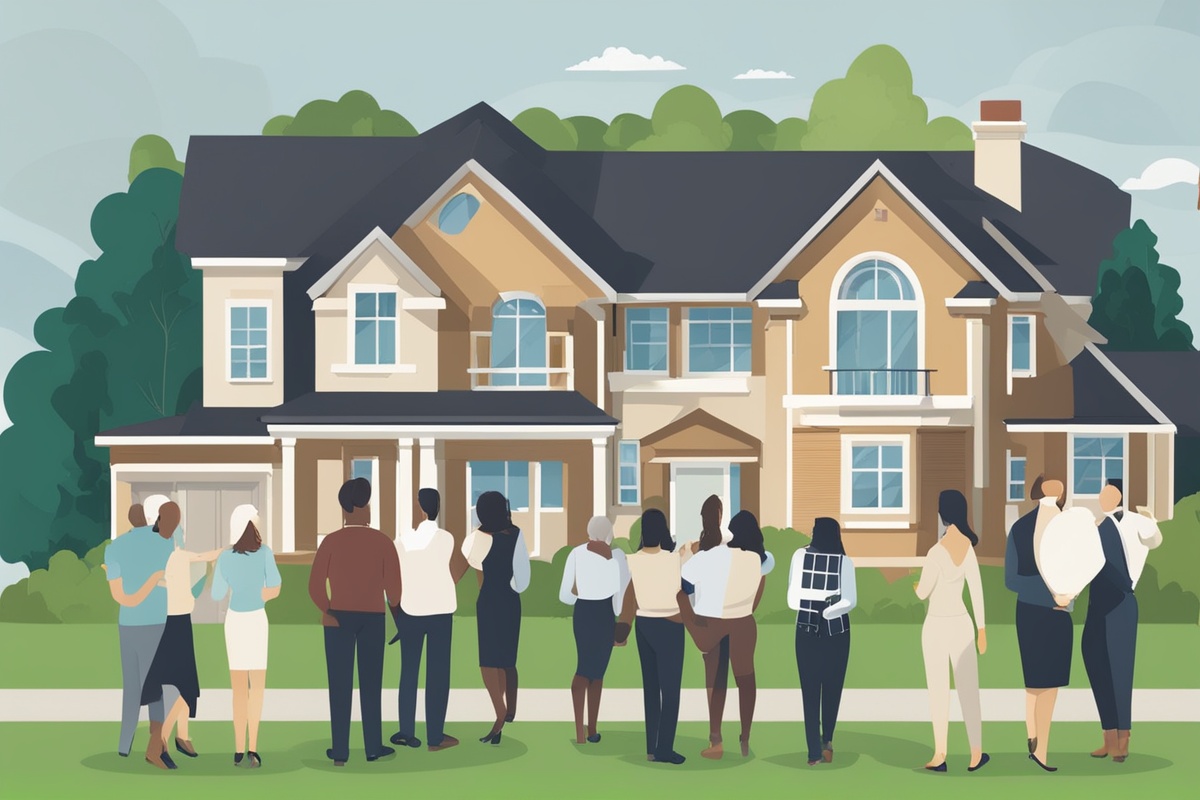
For many homeowners, the journey of owning a property can feel isolating, especially when unexpected challenges arise. Vital Community Networks for Homeowners bridge this gap by fostering a sense of belonging and providing a platform to exchange knowledge. These networks often include local homeowner associations (HOAs), online forums, social media groups, and even informal meetups. By joining such communities, homeowners gain access to advice on everything from property maintenance to legal issues, ensuring they are never alone in their struggles.
Moreover, these networks often serve as a collective voice, advocating for homeowners’ rights and influencing local policies. Whether it’s addressing zoning laws or improving neighborhood safety, being part of a community network empowers individuals to make a difference.
Benefits of Joining Homeowner Support Communities
Participating in Vital Community Networks for Homeowners offers numerous advantages. First and foremost, these groups provide emotional support. Sharing stories and challenges with others who understand can alleviate stress and build lasting friendships. Additionally, community networks are treasure troves of practical advice. Need a recommendation for a reliable contractor? Curious about the best way to handle a property tax dispute? Fellow homeowners often have firsthand insights that can save time and money.
Another key benefit is access to resources. Many networks collaborate with local businesses, legal experts, and government agencies to offer workshops, discounts, and educational materials. For instance, some HOAs organize seminars on home insurance or energy efficiency, equipping members with tools to manage their properties effectively. If you’re looking for more information on managing home maintenance, check out our post on Essential Home Maintenance Tips for New Homeowners.
How to Find the Right Community Network for You
Finding the right Vital Community Networks for Homeowners depends on your needs and location. Start by exploring local HOAs, which are often the backbone of neighborhood support systems. These organizations typically have regular meetings and newsletters to keep residents informed. If you prefer digital interaction, platforms like Nextdoor or Facebook groups can connect you with homeowners in your area or beyond. These online spaces are ideal for quick questions or casual discussions.
For more specialized support, consider joining national organizations like the Community Associations Institute (CAI), which offers resources for HOA members and individual homeowners alike. Additionally, websites like Reddit have active homeowner communities where you can ask questions anonymously and receive diverse perspectives. To learn more about leveraging online tools for homeownership, read our guide on Top Digital Tools for Homeowners.
Building Stronger Neighborhoods Through Community Networks
One of the most significant impacts of Vital Community Networks for Homeowners is their ability to strengthen neighborhoods. When homeowners collaborate, they can tackle shared issues like infrastructure improvements, crime prevention, or environmental concerns. For example, a community network might organize a neighborhood watch program or petition for better street lighting, enhancing safety for everyone.
These networks also foster a sense of pride and unity. Group activities, such as community cleanups or holiday events, bring neighbors together and create a more cohesive environment. If you’re interested in starting a community initiative, our article on How to Organize a Neighborhood Event offers practical tips to get started.
Overcoming Challenges Within Homeowner Networks
While Vital Community Networks for Homeowners are incredibly beneficial, they are not without challenges. Disagreements over rules, fees, or priorities can sometimes lead to tension within HOAs or other groups. To navigate these issues, communication and compromise are key. Attending meetings, voicing concerns respectfully, and seeking mediation when necessary can help maintain harmony.
Additionally, some homeowners may feel excluded if a network lacks diversity or accessibility. To address this, many modern networks are making efforts to be more inclusive, offering virtual meetings or translation services. If you’re facing challenges with your HOA, our post on Navigating HOA Disputes: A Homeowner’s Guide provides actionable advice.
Getting Involved and Making an Impact
Joining a community network is just the first step; active participation is what truly makes a difference. Volunteer for leadership roles within your HOA, contribute to online discussions, or organize events to address local needs. By getting involved, you not only help others but also gain a deeper understanding of homeownership challenges and solutions.
For those new to community engagement, start small by attending a meeting or joining a social media group. Over time, you’ll build confidence and connections that enhance your homeowner experience. Curious about the impact of community involvement? Explore our piece on The Power of Community Engagement for Homeowners for inspiring stories and tips.
Disclaimer: The information provided in this post is for general informational purposes only and should not be considered as legal, financial, or professional advice. Homeownership laws, HOA regulations, and community network structures vary by location and situation. We recommend consulting with a qualified professional or local authority before making decisions based on the content of this article. The author and website are not responsible for any actions taken based on the information provided.
References
- Community Associations Institute (CAI) – Resources for Homeowners and HOAs
- U.S. Department of Housing and Urban Development (HUD) – Homeownership Support
- Consumer Reports – Guide to Homeowners Associations
- Nextdoor – Neighborhood Networking Platform
- Realtor.com – Home Improvement and Ownership Advice
This content is for informational purposes only and not a substitute for professional advice.